Dead Surf: Rising from the Tide
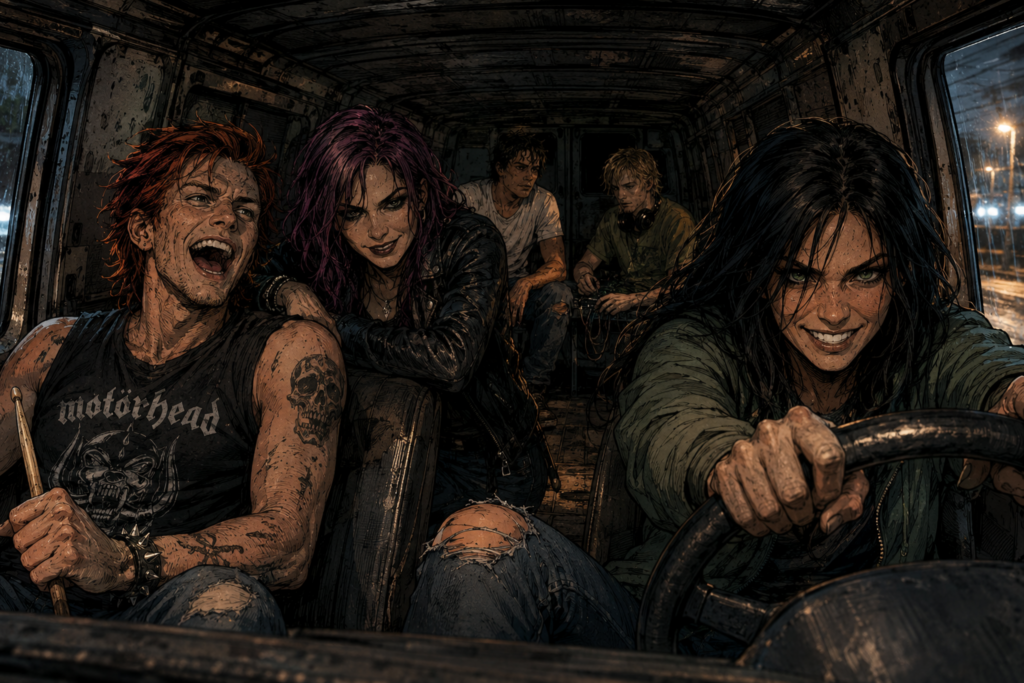
Dead Surf was never meant to be just a band—it was survival, rebirth, and rebellion all at once. Formed in the summer of 2008, its roots trace back to the shores of Virginia Beach, where six strangers—Jeff Breaker Lawson, Kai Neon Vega, Luna Reverb Malone, Roxy Echo Navarro, and Zane Riptide Mercer—found each other at the East Coast Surfing Championships (ECSC). What started as casual conversations about music and the ocean soon revealed something deeper: a shared history of struggle, homelessness, and addiction.
For each of them, life had been unforgiving. The streets were brutal, the battle with substances relentless. But in one another, they found more than just a connection—they found hope. Music became their therapy, their escape, their anchor. Late-night jam sessions turned into full-fledged songwriting marathons, their sound evolving into a raw, unapologetic blend of post-punk grit with undertones of surf rock rebellion.
Determined to break free from their past, they leaned on one another, fighting their demons through lyrics, rhythm, and relentless drive. Dead Surf wasn’t just a name—it was a declaration, a reminder that they had nearly drowned but chose to rise.
Each member brought their own fire:
Jeff Breaker Lawson (drums/vocals) held the beat, driving every song with controlled chaos.
Kai Neon Vega (keyboard/vocals) layered haunting synths that gave their sound a rebellious edge.
Luna Reverb Malone (guitar/vocals) delivered soaring riffs, equal parts gritty and hypnotic.
Roxy Echo Navarro (vocals) infused every track with unfiltered emotion, her voice a haunting force.
Zane Riptide Mercer (guitar/vocals) brought raw energy, channeling his surfing momentum into frenetic performances.
Together, they clawed their way out of darkness and onto the stage. Every show was a testament to their survival, a cathartic eruption of past pain and present triumph. Fans didn’t just hear their music—they felt it, because it wasn’t polished or fabricated. It was real.
Now, years later, Dead Surf has become more than a band—it’s a movement. They tour, record, and continue to ride the highs and lows of life, never forgetting where they came from or the battles they fought to get here. For them, music isn’t just about sound. It’s about survival.
The Band

Zane “Riptide” Mercer: The Sonic & Surfing Maverick of Dead Surf
Zane Riptide Mercer is a force of nature—both on stage and in the ocean. As the vocalist and guitarist of Dead Surf, his raw energy and electrifying performances push the boundaries of post-punk grit, blending unfiltered emotion with razor-sharp riffs. Offstage, Mercer carves through waves with the same intensity, a pro surfer whose life is as fluid and untamed as the tides he rides.
But the journey hasn’t always been smooth. Mercer battled substance and alcohol abuse for years, lost in the whirlwind of self-destruction that often shadows creative brilliance. It took hitting rock bottom—and finding the clarity within the chaos—to finally break free. Now, clean and driven, he pours every ounce of his past struggles into his music, creating songs that resonate with both rebellion and redemption.
When he’s not in the studio or thrashing through live sets, Mercer is touring the surf circuit, chasing adrenaline across the globe. His life is a balance of movement—whether shredding waves or shredding guitar solos, he’s always in motion, defying limits and breaking boundaries.
With Mercer at the helm alongside his bandmates, Dead Surf isn’t just making music—it’s making moments. And for him, every note, every wave, every breath is proof that no matter how deep you sink, there’s always a way back up.

Roxy Echo Navarro: The Haunting Voice of Dead Surf
Roxy Echo Navarro isn’t just a vocalist—she’s a force. Her voice carries the weight of lived experience, channeling raw emotion into haunting melodies that linger long after the music fades. As the frontwoman of Dead Surf, she embodies effortless rebellion, weaving grit and vulnerability into every performance.
Navarro’s journey hasn’t been easy. Once lost in the chaos of homelessness and substance abuse, she fought her way out, reclaiming her life through music and sheer determination. Now, years clean and off the streets, she channels that hard-won resilience into her art, making every lyric resonate with the ghosts of the past and the promise of the future.
Her presence is magnetic—equal parts unapologetic and introspective. On stage, she’s untouchable, commanding attention with every note, every movement, every flicker of fire in her eyes. Offstage, she’s fiercely loyal to those who’ve walked similar paths, using her platform to advocate for recovery, self-reclamation, and the unbreakable spirit of survival.
With Dead Surf’s signature post-punk edge and Navarro’s unmistakable vocal power, the band’s music is more than sound—it’s catharsis. It’s rebellion. It’s a battle cry for the ones who refuse to be defined by their past. And with Roxy Echo Navarro at the helm, the wave of Dead Surf is only growing stronger.

Luna Reverb Malone: The Echo of Resilience in Dead Surf
Luna Reverb Malone’s story is etched into every chord she plays and every lyric she sings—a testament to survival, strength, and the power of finding your voice after being silenced. As the guitarist and vocalist of Dead Surf, her presence is magnetic, an electrifying blend of haunting melodies and razor-sharp riffs that cut through the noise like a battle cry.
But before the stage, before the music, before the band—there was a fight. Malone escaped an abusive relationship that nearly broke her, carrying scars both seen and unseen. Homeless and struggling with addiction, she drifted through the chaos, searching for something—anything—that could bring her back from the edge.
That salvation came in the summer of 2008 when she met the rest of the Dead Surf lineup at the Virginia Beach ECSC. What began as a friendship rooted in shared pain quickly evolved into an unshakable bond. They became her family, the ones who refused to let her fade, the ones who reminded her that her story wasn’t over.
Through music, she found herself again. With each note, she reclaimed the pieces lost along the way. Now, years clean and off the streets, Malone stands as proof that healing doesn’t come in silence—it comes in thunderous chords, in unapologetic expression, in refusing to let the past define the future.
Onstage, she is untouchable, weaving raw emotion into every performance, her riffs carrying the echoes of both pain and triumph. Offstage, she remains fiercely loyal to those still fighting their battles, using her voice not just for music, but for advocacy, support, and the unwavering belief that no one has to fight alone.
With Dead Surf, Malone doesn’t just play music—she lives it. And every time she steps onto that stage, she stands as proof that even the most broken waves can rise again.

Kai Neon Vega: Synths, Survival, and Second Chances
Kai Neon Vega’s journey is written in neon and shadow—a story of hardship, redemption, and raw artistry that fuels his role as keyboardist and vocalist for Dead Surf. His hypnotic synth lines weave between rebellion and melancholy, echoing the past he fought to overcome.
Before Dead Surf, before the music, Vega lived in survival mode. Homeless and struggling with alcoholism, desperation led to a split-second decision—one that put him behind bars for theft. But incarceration wasn’t the end. Instead, it became a brutal awakening, forcing him to confront his choices, his pain, and the reality that if he wanted a future, he’d have to fight for it.
The day he walked free, Vega chose sobriety. He didn’t just want to exist—he wanted to rebuild, to create, to find purpose beyond the wreckage. Music became his lifeline, a force that steadied him through every difficult step.
In the summer of 2008, fate brought him to Virginia Beach’s ECSC, where he met the future members of Dead Surf. In them, he found something more than friendship—he found a reason to keep going. Together, they formed a band shaped by struggle and resilience, turning past pain into electrifying, unapologetic sound.
Now, years clean and fully on track, Vega commands the stage with an energy that’s both haunting and electric. Every lyric he sings, every chord he plays carries the weight of his past and the triumph of his present. Offstage, he remains committed to supporting those still fighting their way back, using his own story to remind them that rock bottom isn’t the end—it’s the beginning.
With Dead Surf, Vega doesn’t just play music—he lives it. And every performance is proof that no matter how lost you’ve been, there’s always a way to rise again.

Jeff Breaker Lawson: The Rhythm of Resilience in Dead Surf
Jeff Breaker Lawson doesn’t just play drums—he fights with them, channels every ounce of his past through the crashing cymbals and relentless beats. As the drummer and vocalist of Dead Surf, his presence is electric, a pulse that keeps the band alive with raw, unfiltered intensity. But behind the music lies a story of survival—a battle fought in silence, in darkness, and, ultimately, in light.
Before Dead Surf, before the stage, Lawson was lost in the depths of homelessness and addiction. Every day was a fight to survive, every moment a struggle against the weight of despair. When the pain became unbearable, he tried to end it—to slip away before the world even noticed. But fate had other plans. He was found just in time, pulled back from the edge, given one last chance to change everything.
That near-death experience became the wake-up call he never expected. With the help of those who refused to let him fade, Lawson began the brutal journey toward sobriety, clawing his way out of addiction and off the streets. Music became his anchor, his therapy, his salvation. It was through rhythm—through the crashing of drums, the power of lyrics—that he rebuilt himself piece by piece.
In the summer of 2008, everything changed. Lawson met the future members of Dead Surf at the Virginia Beach ECSC, each of them carrying their own scars, their own battles. What started as a friendship became something more—a bond forged in hardship, a movement that turned pain into music. Together, they built Dead Surf, not just as a band but as proof that survival is possible.
Now, years clean and stronger than ever, Lawson plays not just for himself, but for those who feel lost like he once did. Every beat is a reminder that no matter how far you fall, there’s always a way back up. With Dead Surf, he doesn’t just create music—he creates moments that prove resilience is louder than silence.