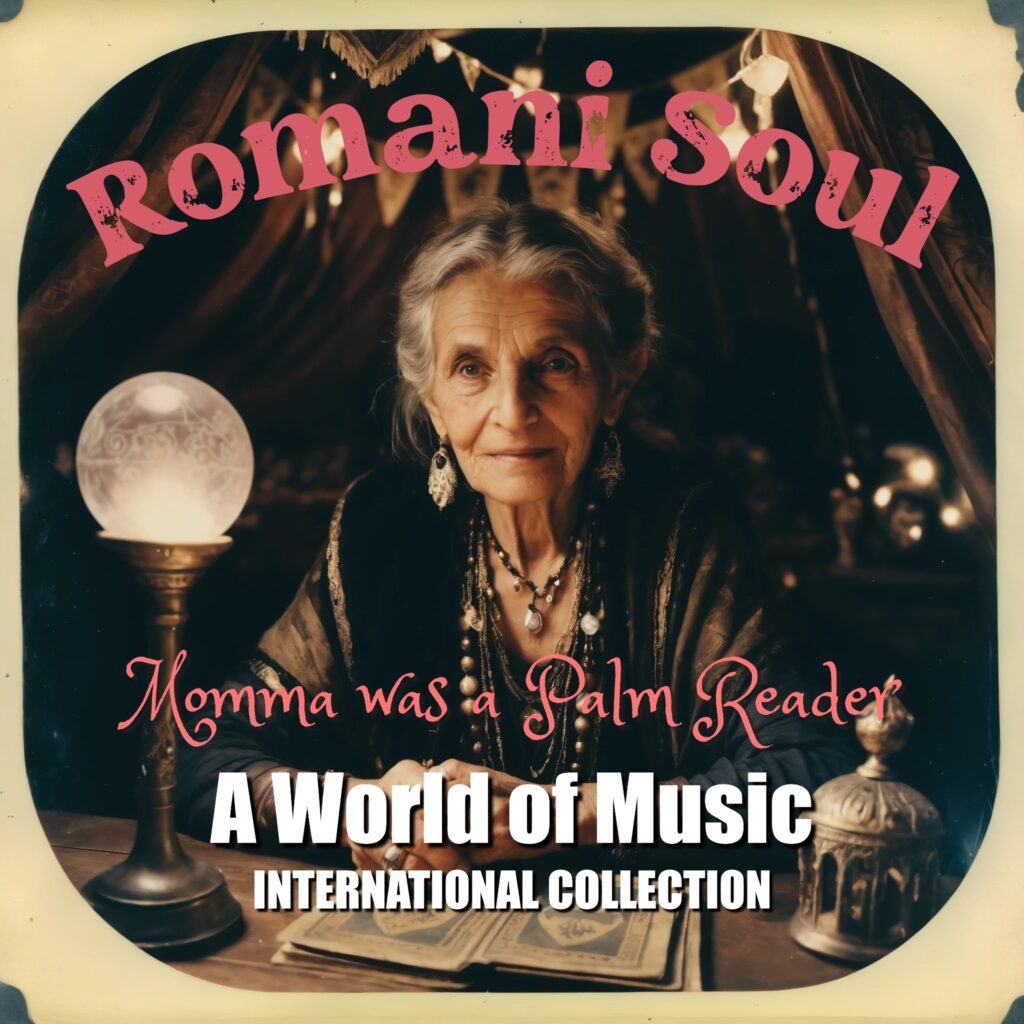
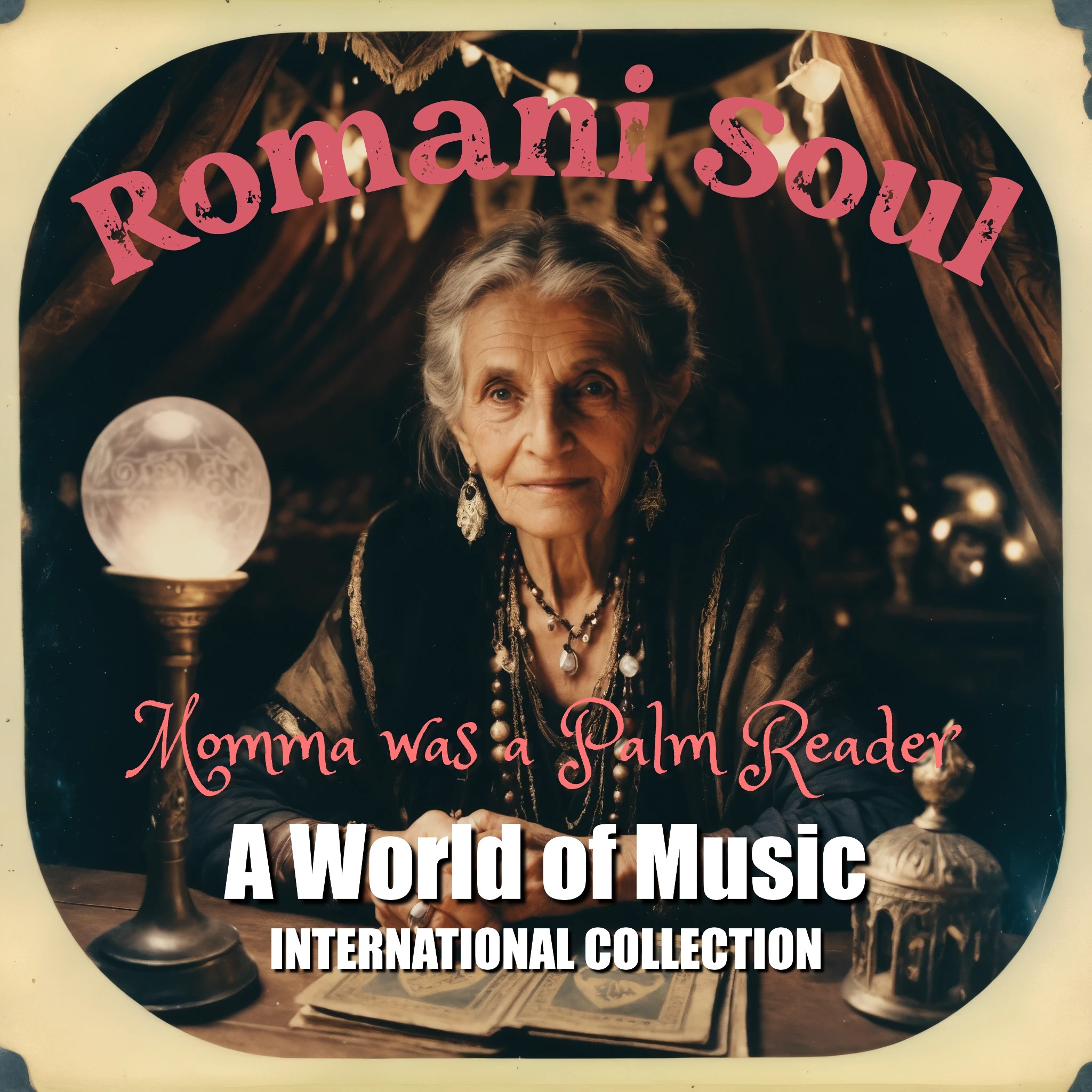
A World of Music—International Collection is more than a collection—it’s a pilgrimage. It is a celebration of sound, soul, and story drawn from the far corners of the earth and reimagined through the lens of modern musical expression. Each album in this series is a love letter to a culture, a rhythm, a way of being—fused with today’s sonic textures to create something timeless and new.
This is music for the wanderer, the dreamer, the dancer. It’s for those who believe that tradition isn’t static—it’s alive, evolving, and ready to speak in new tongues.
A World of Music is a journey through heritage and innovation. It honors the roots while reaching for the stars. Each track collaborates across time—where ancestral voices meet digital breath, and the sacred becomes danceable.
Whether tracing your lineage or discovering new sonic landscapes, A World of Music invites you to listen deeply, move freely, and feel globally.
Romanian Gypsy music is the lifeblood of a culture shaped by movement, resilience, and storytelling—it’s not just entertainment, it’s identity in motion.
The Romani people of Romania, often referred to as “Gypsies,” have a rich and complex musical tradition that mirrors their nomadic history and communal spirit. Music is not a separate art form—it’s woven into daily life, rituals, survival, and celebration. Whether traveling by vardo (wagon) or settling temporarily in villages and cities, Romanian Gypsies have carried their songs like sacred heirlooms, adapting them to every landscape they pass through.
Romanian Gypsy songs often reflect the struggles, hopes, and humor of a people long marginalized. Lyrics may be sung in Romani, Romanian, or a blend of both, and themes range from love and betrayal to exile and spiritual longing. Fast-paced dances are paired with slow, plaintive ballads, creating a dynamic emotional arc that mirrors the unpredictability of the road.
Music also serves as a form of resistance and resilience. In times when formal employment or social acceptance were denied, Romani musicians became entertainers at weddings, fairs, baptisms, and funerals—turning their art into livelihood. Their ability to adapt musically to local tastes while preserving their own style made them cultural bridges across Europe.